Every plant that becomes political eventually collects a vocabulary of its own. Cannabis may hold the record — ganja, reefer, pot, weed, dope, grass, Mary Jane, marijuana, cannabis. Each of those words belongs to a specific decade, a specific fear, and often a specific group of people it was used to control. Tracing how we got from “cannabis,” a neutral Latin botanical term, to “marijuana,” a word built to frighten, and eventually back to language like “plant medicine” and “flower,” is really a story about immigration politics, racial control, underground culture, and the communities who kept finding new words to protect something they knew was never dangerous to begin with.
Before It Had a Bad Name
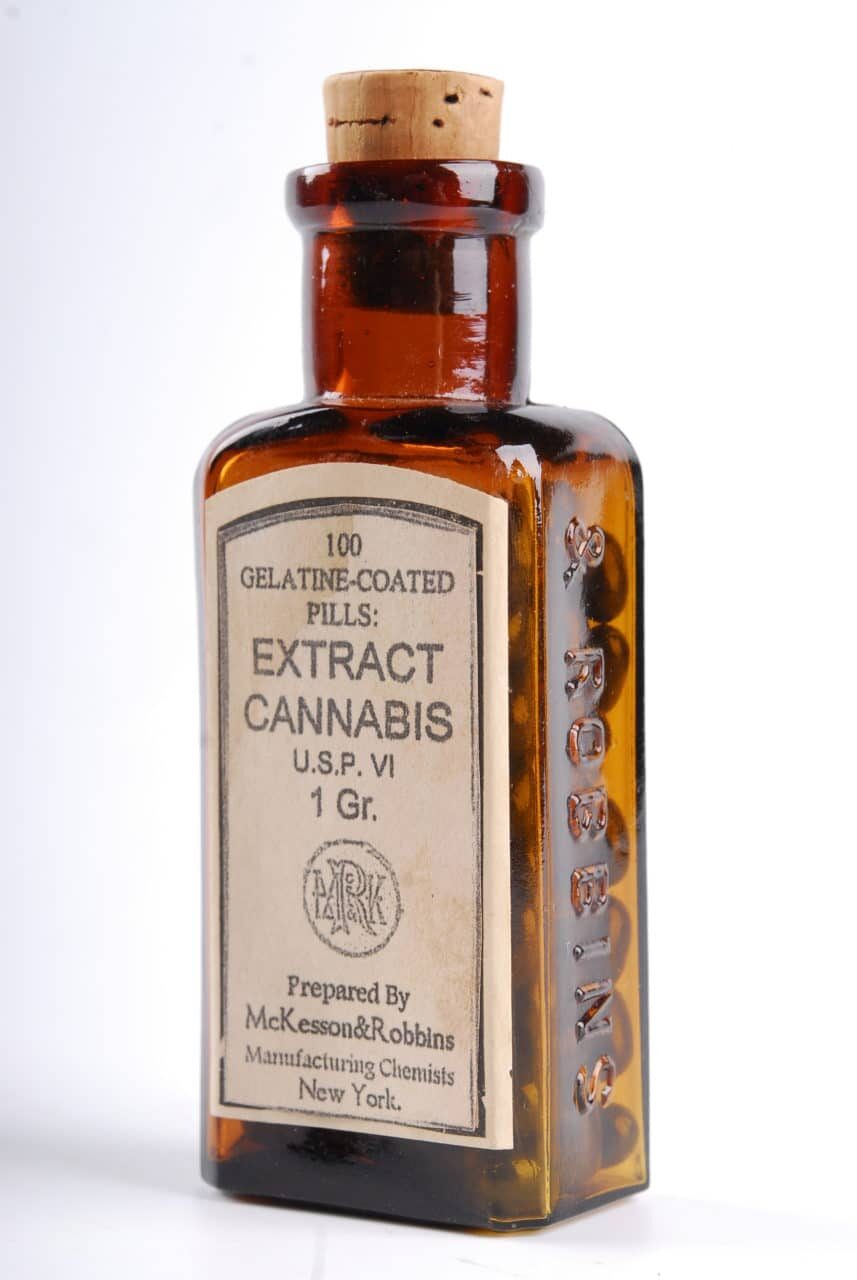
Cannabis has been cultivated for fiber, food, medicine, and ritual for at least 5,000 years, and for most of that time its names were simply descriptive rather than loaded. In Sanskrit, the plant preparation was called gañjā; when the British Empire brought indentured laborers from India to Jamaica in the 1800s, they carried the word — and the plant — with them, and “ganja” took root in West Indian culture, eventually becoming central to the Rastafari faith that emerged in the 1930s.1 In the nineteenth-century United States, there was no controversy about the plant at all. It was known plainly as “cannabis” or “hemp,” and it was a common ingredient in tinctures and extracts sold by mainstream pharmaceutical companies for pain, insomnia, and nausea.2 Nobody was afraid of a bottle labeled “Extract Cannabis.” That fear had to be built, on purpose, decades later.
The Invention of “Marijuana”
The word “marijuana” is not itself a slur — historian Isaac Campos traces it to Mexican Spanish records from the 1850s, a legitimate regional name with its own cultural history.3 The problem was what American officials did with it. After the Mexican Revolution of 1910–1920 sent hundreds of thousands of immigrants north, some brought the custom of smoking cannabis recreationally, calling it marihuana. As anti-immigrant sentiment grew, U.S. officials noticed they had a useful tool: a foreign-sounding word they could attach to a foreign-seeming habit.4 In 1930, Harry Anslinger became the first commissioner of the newly formed Federal Bureau of Narcotics. When his agency’s funding was threatened during the Depression, he needed a new enemy to justify his budget — and he found it by deliberately favoring “marijuana” over the clinical, familiar “cannabis,” a choice designed to make the plant sound alien and dangerous. Congress passed the Marihuana Tax Act in 1937, effectively criminalizing the plant nationwide.5
Reefer Madness and the Propaganda Machine
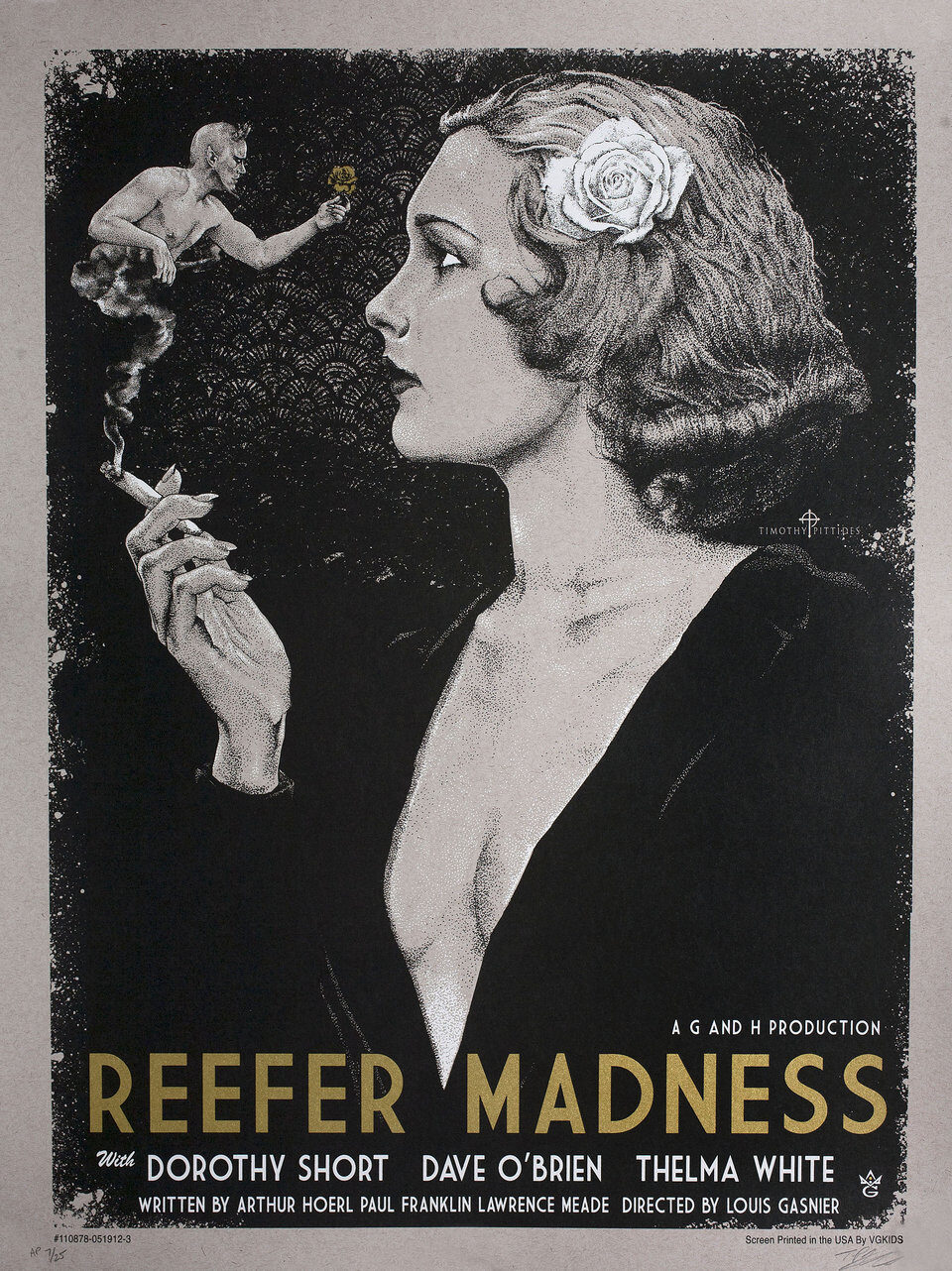
“Reefer” has murkier origins — possibly from the Spanish grifa, possibly from sailor slang for rolling up a sail — but it became a household word for a different reason.6 Anslinger’s campaign found a willing partner in William Randolph Hearst’s newspaper empire, which ran sensational stories linking cannabis to violence and moral collapse, almost always naming Black Americans and Mexican immigrants as the culprits.7 That fear reached the big screen in 1936 with Reefer Madness, a melodramatic film (originally titled Tell Your Children) showing teenagers descending into insanity after a single joint. Anslinger himself testified that a marijuana cigarette could induce “homicidal mania,” and referred to the communities he targeted as “degenerate races.”8 The propaganda worked. By the mid-1930s, nearly every state had some form of cannabis restriction on the books.
A War Fought With Words
The stigma didn’t fade — it hardened into federal law. The 1970 Controlled Substances Act placed cannabis in Schedule I, the most restrictive category, alongside heroin.9 In 1971, President Nixon formally declared the War on Drugs. Decades later, his own domestic policy advisor, John Ehrlichman, admitted the real target: “We knew we couldn’t make it illegal to be either against the war or Black… but by getting the public to associate the hippies with marijuana and Blacks with heroin, and then criminalizing both heavily, we could disrupt those communities. We could arrest their leaders, raid their homes, break up their meetings, and vilify them night after night on the evening news. Did we know we were lying about the drugs? Of course we did.”10 The consequences were measurable and lasting: even with similar usage rates across races, Black Americans have been nearly four times more likely than white Americans to be arrested for possession.11
The Language of the Underground
While the government built one vocabulary to criminalize the plant, the people who used it were quietly building another — not to demonize it, but to talk about it safely. “Weed” first appeared in print in 1929; “pot” likely descended from the Spanish potiguaya; “grass,” “dope,” and “jive” moved through jazz-era Black culture in the 1930s and ’40s; “Mary Jane” turned marijuana into a person you could mention in polite company without anyone knowing better.12 Decades later, five California teenagers known as “the Waldos” invented a new code entirely: they’d meet at 4:20 p.m. to search for a rumored abandoned crop, and “420” became their shorthand for the plant itself. It has since grown into a global date of celebration, protest, and community for millions of people who once had no legal way to gather around cannabis at all.13 Coded language like this has always done double duty — protecting people from prosecution while quietly building a shared identity among them.
Reclaiming Cannabis
In the past two decades, the language has started moving in the other direction. Lawmakers in states including Washington and Maine have formally replaced “marijuana” with “cannabis” in their legal codes, citing the term’s discriminatory history.8 More than half of U.S. states have now legalized cannabis for medical or recreational use.14 Legalization alone doesn’t undo a century of harm, so a growing number of states have paired it with social equity programs — expunging past convictions, reserving business licenses for people from over-policed communities, and reinvesting tax revenue directly into those neighborhoods. New York, for example, now directs 40 percent of its adult-use cannabis tax revenue toward rebuilding communities most damaged by prohibition.15 It’s imperfect, uneven work — but it’s the first real attempt to repair what the language of “marijuana” was built to justify.
What the Names Couldn’t Erase
Here’s what a century of stigma never managed to kill: the communities who always understood this plant as medicine, ritual, and connection.
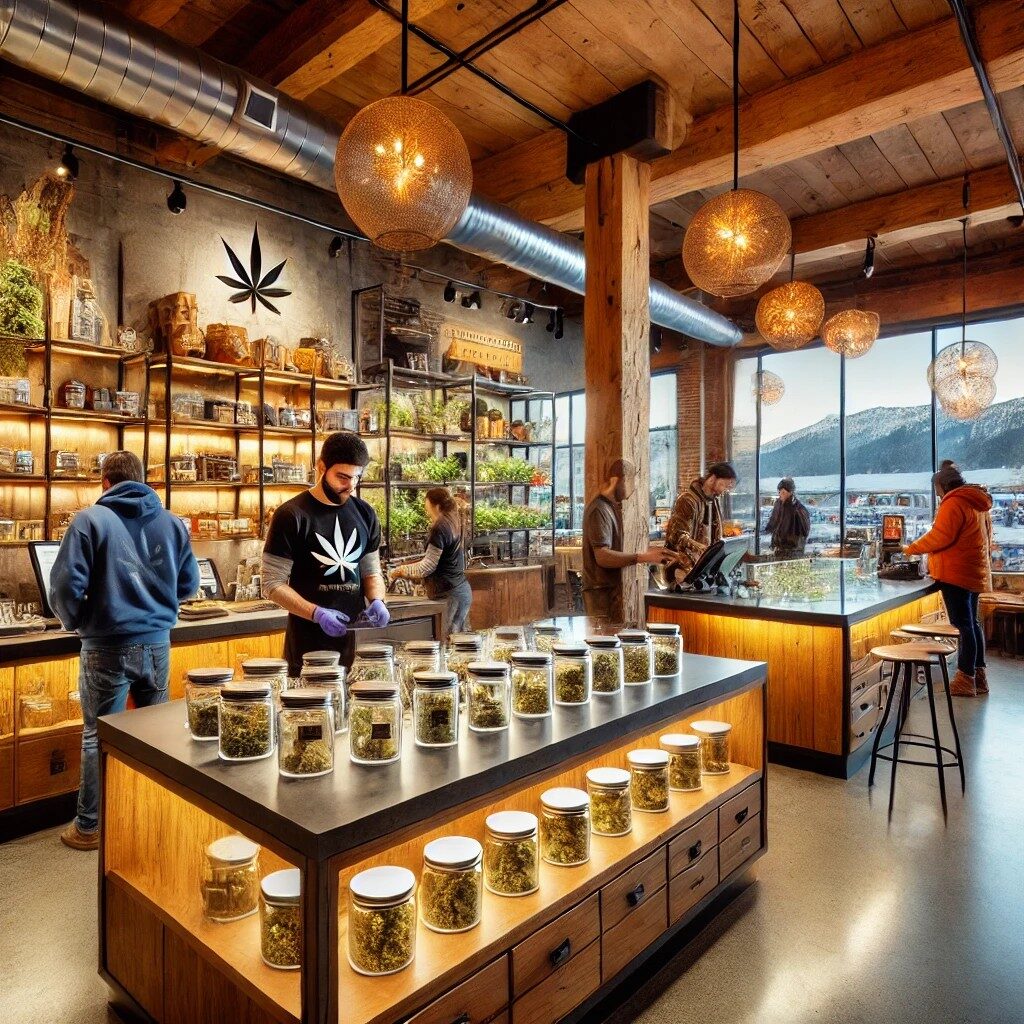
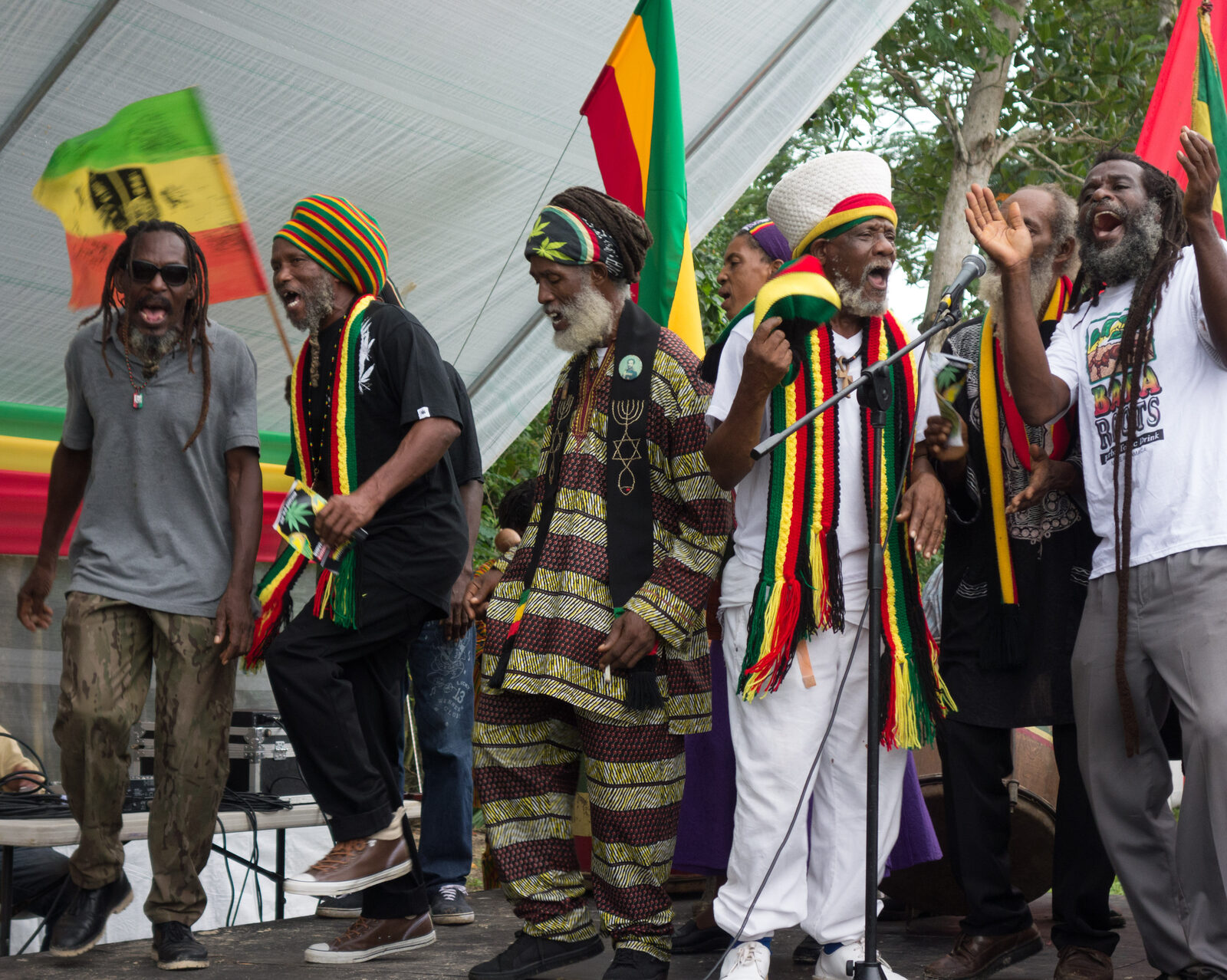
In Jamaica, Rastafari elevated ganja to a sacrament — a way of communing with the divine and with each other, and a quiet act of resistance against the same colonial and prohibitionist forces that criminalized it elsewhere.16 That same instinct shows up everywhere the plant has taken root since: in the herbalists blending centuries-old plant knowledge with modern science, in the women and entrepreneurs of color building brands rooted in healing instead of fear, in dispensaries designed to feel like apothecaries rather than back alleys. Recent research backs up what these communities always knew — people report using cannabis to manage stress and trauma, ease physical discomfort, and build a stronger, more grounded sense of identity, alongside real gains in social connection.17
The stigma took a century of deliberate propaganda, racist policy, and fear-based language to build. The healing didn’t need nearly that much — just a plant, a community willing to hold onto the truth about it, and the patience to wait for the rest of the world to catch up. Whatever you call it now — cannabis, herb, plant medicine, your favorite flower — the word that’s finally sticking is the one that was true the whole time: wellness.
Sources
- Popular Cannabis Slang Origins, Potmates PDX, potmatespdx.com
- Golden Age of Medicinal Cannabis, Hash Marihuana & Hemp Museum, hashmuseum.com
- “Is the word ‘marijuana’ racist?”, Leafly, leafly.com
- “The Weird, Complicated History of the Word ‘Marijuana’”, Eaze, eaze.com
- “The Illegalization of Marijuana: A Brief History”, Origins (Ohio State University), origins.osu.edu
- “What is reefer?”, Weedmaps, weedmaps.com
- “Reefer Madness and Other Lies”, The Independent (Santa Barbara), independent.com
- “The term marijuana has a racist history”, Bangor Daily News, bangordailynews.com
- Timeline of Cannabis Laws in the United States, Wikipedia, en.wikipedia.org
- “Fifty Years Ago Today, President Nixon Declared the War on Drugs”, Vera Institute of Justice, vera.org
- “Fostering Social Justice and Equity While Regulating Marijuana”, Marijuana Policy Project, mpp.org
- “Weed, Pot, Bud, Mary Jane”, Gorge Greenery, gorgegreenery.com
- 420 (cannabis culture), Wikipedia, en.wikipedia.org
- Legalization of Non-Medical Cannabis in the United States, Wikipedia, en.wikipedia.org
- Social and Economic Equity, New York Office of Cannabis Management, cannabis.ny.gov
- “Rastafari Rootzfest Celebrates Jamaica’s Emancipation of Marijuana”, Global Voices, globalvoices.org
- Closing Research Gaps on Cannabis and Mental Health: Key Findings, Mental Health Commission of Canada, mentalhealthcommission.ca
Image credits
- Vintage cannabis extract bottle — Hash Marihuana & Hemp Museum
- Reefer Madness (1936) poster — Posteritati Movie Poster Gallery
- Modern dispensary interior (illustrative) — Apogee Gardens
- Rastafari Rootzfest gathering, Jamaica — Global Voices